Incense Burners

A good smoke session deserves the right atmosphere — and nothing sets the mood quite like incense. Whether you're masking odors, creating a calming space for meditation, or simply making your room smell incredible, an incense burner is a small addition that makes a big difference. From mesmerizing backflow waterfall...

A good smoke session deserves the right atmosphere — and nothing sets the mood quite like incense. Whether you're masking odors, creating a calming space for meditation, or simply making your room smell incredible, an incense burner is a small addition that makes a big difference. From mesmerizing backflow waterfall burners that cascade smoke like a miniature fog machine to simple wooden ash catchers that hold your favorite stick, incense burners bring function, fragrance, and style to any space.

At DiscreetSmoker.com, we carry a curated selection of incense burners and holders in every style — backflow waterfall burners, stick holders, cone burners, combination designs, and decorative pieces crafted from ceramic, wood, brass, resin, and stone. Whether you're looking for a statement piece for your coffee table, a portable holder for daily use, or the perfect companion to your smoking accessories, our incense burner collection has something for every vibe.

Browse the full selection below and find the burner that fits your space and your style.


What Is an Incense Burner?

An incense burner (also called an incense holder) is a device designed to safely hold incense while it burns, catch falling ash, and protect your surfaces from heat. At its simplest, it's a tray with a hole for a stick. At its most elaborate, it's a handcrafted ceramic sculpture that transforms incense smoke into a cascading visual display. The core purpose is always the same — give your incense a stable, heat-resistant home while it does its thing.

Incense burners are designed around the type of incense they support. Stick incense needs a hole or groove to hold the stick upright or at an angle. Cone incense needs a flat, heat-proof surface or dish. Backflow cones require a specialized burner with a channel that directs the heavier-than-air smoke downward. Some burners are multi-purpose, accommodating sticks, cones, and even palo santo or sage bundles in a single design. The right burner depends on what you burn and how you want your space to look while you're burning it.


Types of Incense Burners

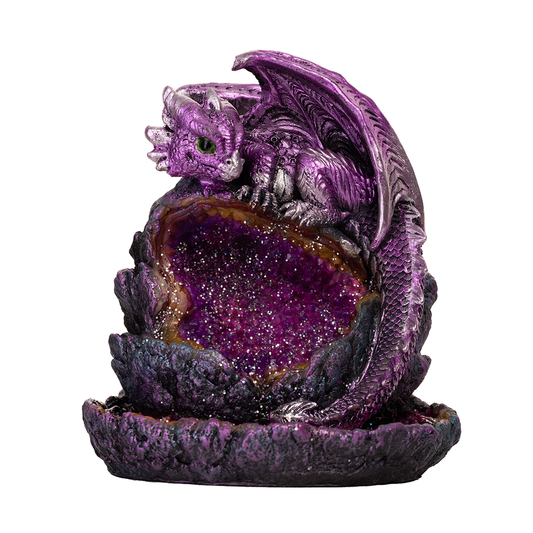
Backflow Incense Burners (Waterfall Burners) — The most visually striking type of incense burner available. Backflow burners use specially designed cones with a hollow center that produce smoke denser than the surrounding air. Instead of rising, the smoke flows downward through channels in the burner, creating a mesmerizing waterfall or fog effect. These burners come in elaborate designs — cascading mountain landscapes, dragon sculptures, lotus ponds, tiered waterfalls, Buddha figures, skull motifs, and architectural pieces. They're as much a decorative centerpiece as they are functional. Backflow burners are typically made from ceramic or resin and require backflow-specific cones (regular cones won't produce the waterfall effect).

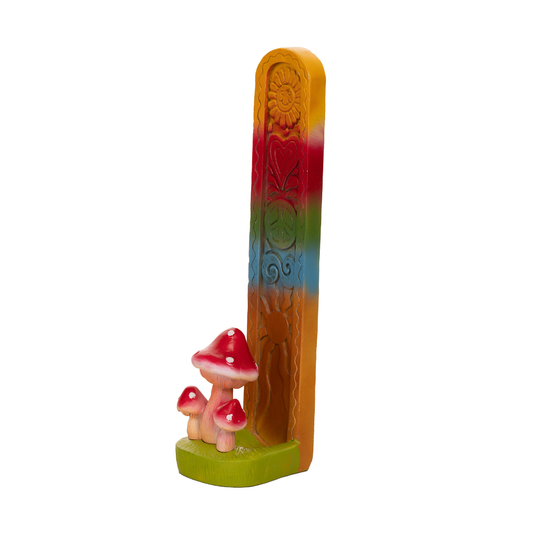
Incense Stick Holders (Ash Catchers) — The most common and practical style of incense holder. Stick holders feature a small hole or groove at one end to hold an incense stick upright or at an angle, with a long tray or channel beneath to catch falling ash. Wooden ash catchers are the classic design — typically 10 to 13 inches long, made from carved or inlaid wood, and often featuring storage compartments underneath for extra sticks. Ceramic, brass, and stone stick holders are also popular, offering more heat resistance and easier cleaning. If you burn stick incense regularly, a good ash catcher is essential.

Cone Incense Burners — Designed specifically for cone-shaped incense, these burners feature a flat or slightly recessed surface where the cone sits while it burns from the tip down. Cone burners range from simple ceramic dishes and metal plates to decorative enclosed designs with ventilation holes that allow smoke to escape through patterns or openings. Some cone burners double as covered censers, containing the smoke for a more controlled, slower release of fragrance. Cone burners are typically more compact than stick holders, making them great for smaller spaces.

Combination Burners — Multi-purpose incense burners that accommodate both sticks and cones (and sometimes coils, palo santo, or sage) in a single design. These typically feature a flat surface or dish for cones combined with a hole or slot for sticks. Combination burners are ideal if you like switching between different incense formats without needing separate holders for each. Many ceramic and brass burners fall into this category, offering versatility without sacrificing aesthetics.

Coil Incense Burners — Coil incense burns in a slow spiral from the outer edge inward, offering extended burn times of several hours. Coil burners feature a flat plate or shallow bowl, sometimes with a central spike or groove to hold the coil in place. They're typically made from brass, wrought iron, or ceramic and are popular for sustained fragrance in larger rooms or outdoor spaces. Some coil burners are enclosed with perforated lids that allow smoke to escape while containing ash.

Resin and Charcoal Burners (Censers) — Traditional censers designed for burning resin incense (like frankincense, myrrh, or copal) on charcoal discs. These are typically brass, cast iron, or ceramic bowls or vessels, often featuring chains for hanging or decorative lids with ventilation holes. Resin burners handle significantly higher temperatures than stick or cone holders and often use sand or ash as a heat buffer in the base. These are popular for spiritual practices, cleansing rituals, and creating rich, complex fragrance profiles.

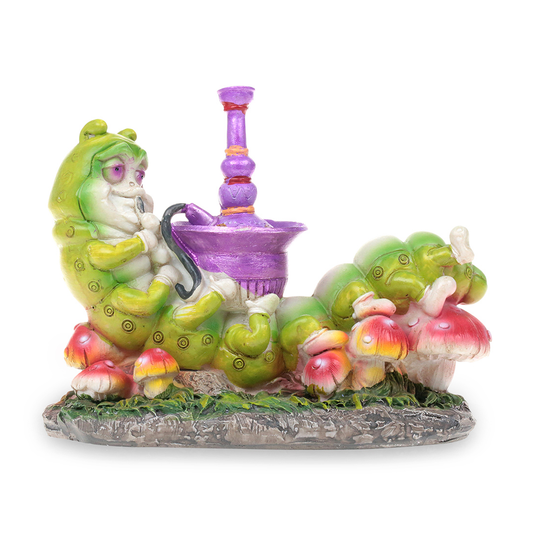
Novelty and Themed Burners — Incense burners designed as much for visual impact as for function. Dragons, skulls, coffins, mushrooms, cats, mythical creatures, Day of the Dead figures, and fantasy-inspired designs are all common in this category. Many novelty burners double as backflow pieces, with the smoke cascading through or around the sculptural design. These make excellent gifts and conversation starters, especially paired with a pack of incense cones or sticks.


Incense Burner Materials

Ceramic — The most popular material for incense burners. Ceramic is naturally heat-resistant, easy to clean, available in virtually unlimited shapes and finishes (glazed, matte, hand-painted, textured), and can be molded into intricate designs that other materials can't match. Most backflow burners are ceramic. Glazed ceramic surfaces resist staining from ash and resin, while unglazed or textured ceramics develop character over time. Ceramic burners range from simple dishes to elaborate handcrafted sculptures.

Wood — Classic and warm, wooden incense holders are the traditional choice for stick incense. Common woods include bamboo, rosewood, mango wood, and walnut. Wooden ash catchers are lightweight, portable, and often feature carved patterns, inlaid designs, or built-in storage compartments. Wood is best suited for stick incense — it's not ideal for cones or backflow burning where higher heat concentrations can scorch the surface. A small metal or ceramic insert can protect wooden burners when used with cones.

Brass and Metal — Durable, heat-resistant, and often beautifully ornate. Brass incense burners range from minimalist modern plates to intricately engraved traditional censers. Metal burners handle high temperatures well, making them suitable for resin and charcoal burning. Brass develops a natural patina over time that many users find attractive. Iron and steel burners offer a more industrial or rustic aesthetic. Metal burners are virtually indestructible and easy to maintain.

Stone — Natural stone burners (soapstone, marble, travertine) offer a luxurious, grounding aesthetic. Stone is naturally heat-resistant, heavy enough to stay put on any surface, and ages beautifully. These tend to be premium pieces that serve as much as home décor as functional holders. Stone burners are excellent for cones and palo santo.

Resin and Polystone — Resin-cast burners allow for incredibly detailed sculptural designs at affordable prices. Most novelty and themed burners (dragons, skulls, fantasy figures) are made from polyresin — a durable composite that holds fine detail and accepts paint well. Polyresin burners should always include a metal or ceramic insert where the incense actually burns to prevent heat damage to the resin body.


How to Choose the Right Incense Burner

Match the Burner to Your Incense Type — This is the most important consideration. Stick incense needs a stick holder with a hole and ash catcher. Cone incense needs a flat, heat-proof surface. Backflow cones require a backflow-specific burner — regular cone burners won't create the waterfall effect. If you burn multiple types, a combination burner saves space and money.

Consider Your Space — Large backflow waterfall burners make stunning centerpieces for living rooms, bedrooms, and meditation spaces, but they need a stable, flat surface away from drafts (air movement disrupts the waterfall effect). Compact stick holders and small cone dishes work well on desks, nightstands, and shelves. Outdoor use calls for heavier materials like stone or metal that won't blow over.

Think About Cleanup — Glazed ceramic and metal burners wipe clean easily. Unglazed ceramic and stone may absorb oils and develop stains over time (some people prefer this patina). Wooden burners require a bit more care to avoid scorch marks. Backflow burners accumulate residue from the denser smoke and should be wiped down after every two to three uses to prevent buildup.

Ventilation Matters — Always burn incense in a ventilated space, regardless of the burner type. Open a window or keep a door cracked to allow fresh air circulation. This is especially important with backflow burners, which produce denser smoke that can accumulate in enclosed rooms. Good airflow ensures you enjoy the fragrance without overwhelming your space.

Safety First — Place your burner on a heat-resistant surface away from flammable materials, curtains, papers, and anything that could catch fire. Never leave burning incense unattended. Keep burners out of reach of children and pets. Let the burner cool completely before moving or cleaning it — ceramic and metal burners retain heat long after the incense has finished burning.


How to Use a Backflow Incense Burner

Backflow burners require a specific setup to achieve the signature waterfall smoke effect. First, make sure you're using backflow incense cones — these have a small hole drilled through the bottom center that allows the cooled, denser smoke to flow downward. Regular incense cones will not produce the waterfall effect.

Light the tip of the backflow cone with a lighter or match until it catches a small flame. Let it burn for five to ten seconds, then gently blow out the flame. You should see a glowing ember and smoke beginning to rise from the tip. Place the cone on the burner's designated spot, making sure the hole at the bottom of the cone aligns with the channel or opening on the burner. Within two to five minutes, you'll see the smoke shift from rising upward to flowing downward through the burner's channels, creating the waterfall cascade.

For the best results, place the burner on a stable, flat surface in a room with minimal air movement. Drafts from windows, fans, and air conditioning will disrupt the smoke flow and prevent the waterfall effect from forming properly. Each backflow cone typically burns for 10 to 15 minutes and produces a significant amount of residue, so clean the burner after every few uses with a damp cloth to prevent buildup.


How to Clean an Incense Burner

Regular cleaning keeps your incense burner looking good and performing well. For ceramic and glazed burners, wipe down with a damp cloth after each use to remove ash and residue. For heavier buildup, warm water with a drop of dish soap works well — just dry completely before your next use. Avoid submerging backflow burners with intricate internal channels in water; instead, use a damp cloth or cotton swab to clean the smoke pathways.

For wooden burners, brush away ash with a soft brush or cloth. Avoid soaking wood in water, as it can warp or crack. A slightly damp cloth followed by thorough drying is sufficient for most cleaning needs. If resin builds up on the surface, gently scrape it with a soft tool and apply a light coat of food-safe mineral oil to restore the wood's finish.

For brass and metal burners, warm soapy water handles most cleaning. For tarnished brass, a mixture of lemon juice and baking soda restores shine. Some users prefer to let brass develop a natural patina over time. For resin burners (censers), dump the old ash and charcoal after each use and wipe the interior with a dry cloth.


Pairing Incense Burners with Your Smoke Session

Incense burners aren't just for fragrance enthusiasts — they're a natural complement to your smoking setup. Burning incense before, during, or after a session can mask lingering odors, create a relaxing atmosphere, and set the tone for a more intentional experience. Scents like sandalwood, nag champa, palo santo, and sage are particularly popular in the smoking community for their calming and cleansing properties.

A backflow waterfall burner on your coffee table paired with a quality bong or dab rig creates a vibe that elevates any session. A simple stick holder on your desk or nightstand keeps your space smelling fresh between uses. And themed burners — dragons, skulls, mushrooms — fit right in with the aesthetic of a curated smoke collection. Think of your incense burner as the finishing touch on your setup.


Who Should Buy an Incense Burner?

Incense burners are for anyone who values atmosphere. If you want to mask smoke odors in your living space, incense is one of the most effective and natural ways to do it. If you practice meditation, yoga, or mindfulness, incense creates a sensory anchor that helps you focus and relax. If you're into home décor, a well-chosen burner doubles as a functional art piece that adds character to any room. If you're shopping for gifts, incense burners paired with a set of cones or sticks make thoughtful, affordable presents for virtually anyone. And if you simply want your space to smell amazing, there's no better tool for the job.

Check out our gift collection for more ideas on pairing incense burners with other accessories for the perfect gift set.


Frequently Asked Questions

What is a backflow incense burner?

A backflow incense burner (also called a waterfall burner or incense fountain) is a specially designed holder that creates a cascading, downward-flowing smoke effect. It uses backflow incense cones — cones with a hollow center and a hole at the bottom — that produce smoke denser than the surrounding air. This denser smoke flows downward through channels in the burner, creating a mesmerizing waterfall or fog effect rather than the typical upward-rising smoke.

Can I use regular incense cones in a backflow burner?

No. Regular incense cones do not have the hollow center channel needed to produce the downward-flowing smoke effect. You must use backflow-specific cones, which have a hole drilled through the bottom center. Using regular cones in a backflow burner will produce normal upward-rising smoke and won't create the waterfall effect the burner is designed for.

Why isn't the smoke flowing down on my backflow burner?

The most common reasons are air movement and improper alignment. Drafts from windows, fans, or air conditioning disrupt the delicate smoke flow. Make sure your burner is in a still, draft-free area. Also check that the cone is properly seated on the burner with the bottom hole aligned over the burner's channel. It typically takes two to five minutes after lighting for the downward flow to begin — be patient and let the cone establish a steady ember before expecting the effect.

What type of incense burner should I get for stick incense?

For stick incense, an ash catcher tray is the most practical option. These long, narrow holders have a small hole at one end to hold the stick and a channel or tray underneath to catch falling ash. Wooden ash catchers are the classic choice, while ceramic and brass versions offer easier cleaning and greater heat resistance. Some stick holders are vertical, holding the stick upright in a base — these are more compact but require a separate dish underneath to catch ash.

How do I clean a backflow incense burner?

Wipe the burner with a damp cloth after every two to three uses to prevent residue buildup. Backflow smoke is denser than regular incense smoke and leaves more residue on surfaces. For the smoke channels and hard-to-reach areas, use a cotton swab or small brush. Avoid submerging the entire burner in water, especially if it has intricate internal channels. If residue has hardened, a cloth dampened with warm water and a tiny amount of dish soap will loosen it.

What materials are best for incense burners?

Ceramic is the most versatile — it's heat-resistant, easy to clean, and available in endless designs. Wood is classic and warm for stick holders but less suitable for high-heat applications like cones or resin. Brass and metal are extremely durable and handle high temperatures well, making them ideal for resin and charcoal burning. Stone offers a premium, natural aesthetic with excellent heat resistance. Polyresin allows for detailed sculptural designs at affordable prices but should always include a heat-safe insert where incense actually burns.

Are incense burners safe to use indoors?

Yes, when used properly. Always burn incense in a ventilated room with a window open or a door cracked. Place the burner on a heat-resistant surface away from flammable materials like curtains, papers, and fabrics. Never leave burning incense unattended, and keep burners away from children and pets. Let the burner cool completely before moving or touching it after use.

How long does incense burn?

Burn time varies by type. Standard incense sticks typically burn for 30 to 60 minutes. Incense cones (both regular and backflow) burn for 10 to 20 minutes. Coil incense can burn for several hours depending on size. Resin incense on charcoal discs burns for 30 to 60 minutes per disc. The size and density of the incense, as well as airflow in the room, affect burn time.

Can incense burners help mask smoke odor?

Yes. Incense is one of the most popular and effective natural ways to mask lingering smoke odors. Strong scents like nag champa, sandalwood, patchouli, and frankincense are particularly effective at covering and replacing unwanted smells. Burning incense during or after a smoke session can significantly reduce the noticeable odor in your space.

What is the difference between an incense burner and an incense holder?

The terms are often used interchangeably. In general, an incense holder refers to simpler devices like stick trays and ash catchers that hold incense in place. An incense burner can refer to more enclosed or elaborate devices — censers, backflow pieces, resin burners — that contain or direct the smoke. For practical purposes, both serve the same function: safely holding incense while it burns and catching ash.

Do I need different burners for different types of incense?

Ideally, yes. Stick incense requires a holder with a hole or groove and an ash catcher. Cone incense needs a heat-proof flat surface. Backflow cones require a backflow-specific burner. Resin incense needs a charcoal-compatible censer. However, combination burners exist that handle multiple incense types in one design, which is a practical option if you like variety without buying multiple holders.

What scents pair well with a smoke session?

Popular choices include nag champa for its classic, earthy sweetness, sandalwood for warm and calming notes, palo santo for light and woodsy cleansing, frankincense for a rich and grounding atmosphere, patchouli for deep and musky tones, and lavender for a relaxing floral scent. Many smokers find that earthy, woody, and resinous incense scents complement rather than clash with herbal aromas.

Can I use a backflow burner as regular home décor?

Absolutely. Many backflow burners are designed as decorative pieces first and functional burners second. Elaborate ceramic sculptures, mountain landscapes, architectural designs, and themed figures look striking on shelves, coffee tables, and mantels even when not actively burning incense. They make excellent conversation pieces and thoughtful gifts for anyone who appreciates unique home accessories.

Do backflow burners leave residue on surfaces?

Backflow smoke is denser than regular incense smoke and can leave a light oily or sticky residue on the burner itself and any surface the smoke pools on. To protect furniture, place the burner on a tray, coaster, or mat. Clean the burner and the surrounding surface after each use to prevent long-term buildup. Regular cleaning with a damp cloth is usually sufficient.

Are incense burners good gifts?

Incense burners make excellent gifts. They're affordable, visually appealing, and universally useful — nearly everyone appreciates a good-smelling space. Backflow waterfall burners paired with a set of scented cones make a particularly impressive gift. Themed burners (dragons, skulls, nature scenes) add a personal touch. They're great for birthdays, holidays, housewarming gifts, and stoner gift boxes.

Recently Viewed Products