-
Vendor:Shire Pipes
Lord Of The Rings Pipes
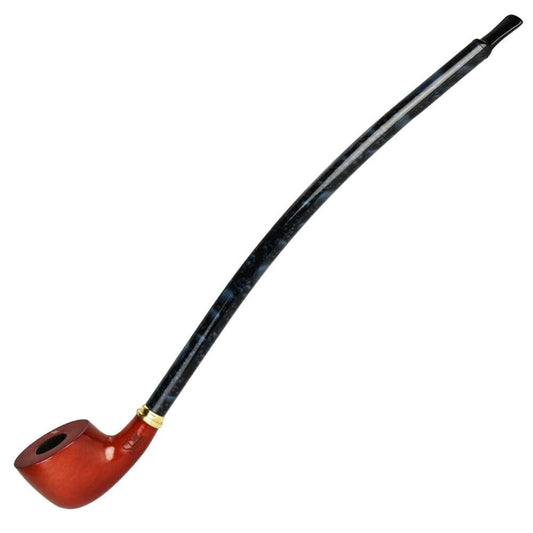
Product Information OFFICIALLY LICENSED LORD OF THE RINGS PRODUCTS! GANDALF™ Churchwarden Smoking Pipe Retail Unit: One (1) Shire Pipe. Also Includes Poking/Tamping Tool, Bowl Screens and Pipe Cleaners. Size: 12.5" Cherry Wood Special Lord Of The Rings Collector's Edition Gift Box Removeable Charcoal Filter SMAUG™...- From $41.99
- From $41.99
- Unit price
- per
-
Vendor:Pulsar
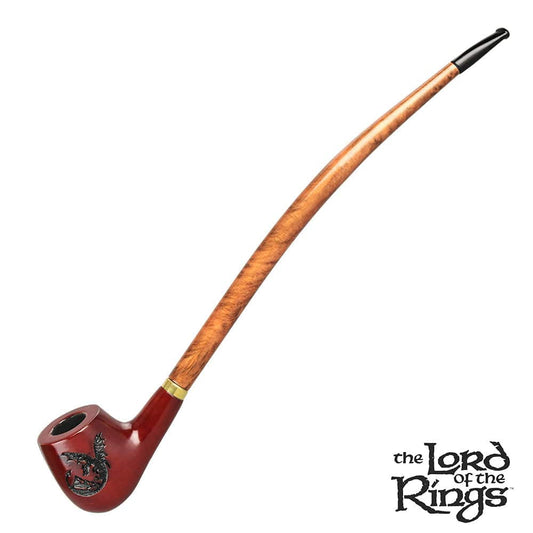
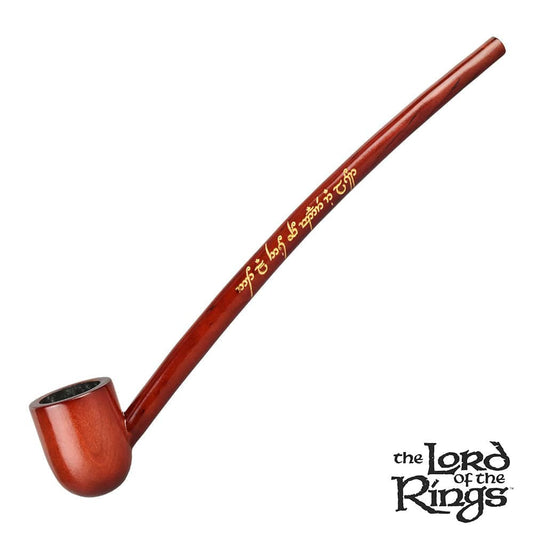
Pulsar Shire Pipes SMAUG Smoking Pipe - 11.5"
Highlights Officially licensed 11.5 in (29.2 cm) Cherry wood Churchwarden pipe Includes poking/tamping tool, bowl screens, and pipe cleaners Special The Lord of the Rings collector's edition gift box packaging Mortise and tenon stem connection Every Shire Pipe comes with a removable charcoal filter...- $59.99
- $59.99
- Unit price
- per
-
Vendor:Pulsar
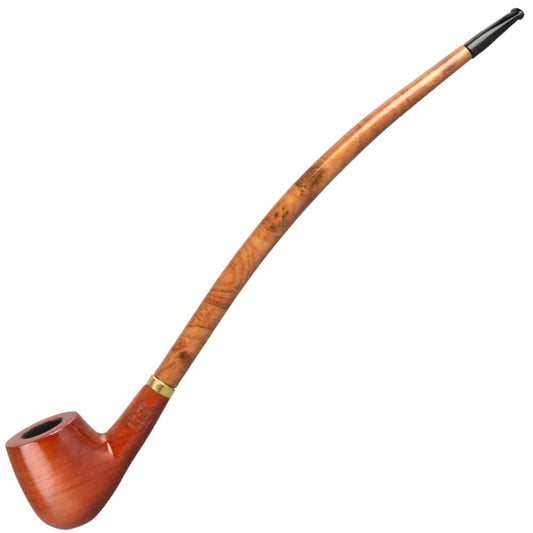
Pulsar Shire Pipes Apple Churchwarden Cherry Wood Tobacco Pipe
These Pulsar Shire Pipes measure 11.5 inches long and are made from quality Cherry wood. Each pipe includes a padded storage box and a removeable charcoal filter. HIGHLIGHTS 11.5 inches long Apple churchwarden style pipe Cherry Wood Removable charcoal filter- $29.99
$33.90- $29.99
- Unit price
- per
-
Vendor:Smoke Drop
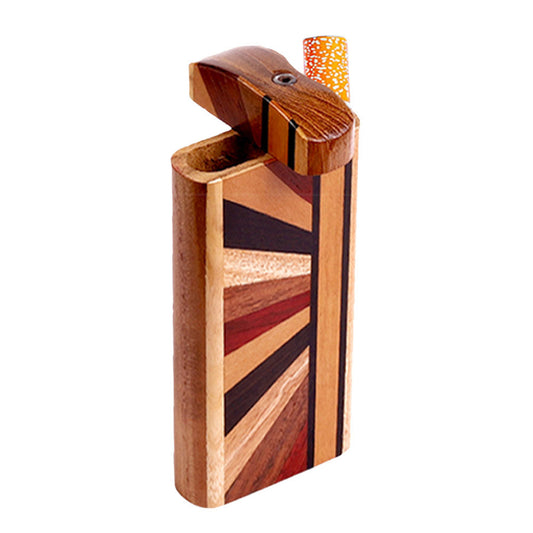
Striped Wood Dugout w/ Horizon Woodworked Design
These wooden dugouts have a multi-tone horizon design with stripes along the edges. Available in Large (3.75” or 9.525cm) sizes, these devices are perfect for toking on the go. Includes metal taster bat. Highlights Wooden dugouts Spring loaded taster bat chamber Taster bats included...- $19.99
- $19.99
- Unit price
- per
-
Vendor:Pulsar
Pulsar Shire Pipes ARAGORN Smoking Pipe - 9"
Highlights Officially licensed 9 in (22.9 cm) Cherry wood Churchwarden pipe Includes poking/tamping tool, bowl screens, and pipe cleaners Special The Lord of the Rings™ collector's edition gift box packaging- $59.99
$54.99- $59.99
- Unit price
- per
-
Vendor:Shire Pipes
Pulsar Shire Pipes BOROMIR Smoking Pipe - 13"
Pulsar Shire Pipes BOROMIR Smoking Pipe - 13" Step into the world of The Lord of the Rings with the officially licensed 13" Cherry wood Churchwarden pipe. Crafted with precision, this smoking pipe features an engraved Horn & White Tree of Gondor, adding a...- $49.99
- $49.99
- Unit price
- per
-
Vendor:Pulsar
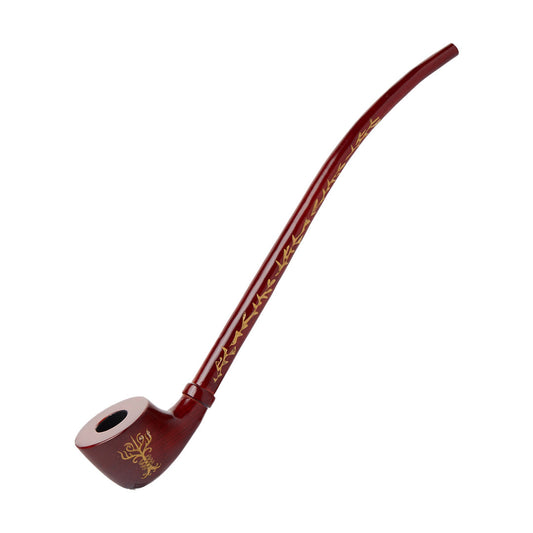
Pulsar Shire Pipes Curved Engraved Cherry Wood Tobacco Pipe - 15"
HIGHLIGHTS 15 inches long Engraved curved style pipe Cherry wood Removable charcoal filter Disclaimer: Legal herbal use only, NOT for tobacco.- $39.99
- $39.99
- Unit price
- per
-
Vendor:Pulsar
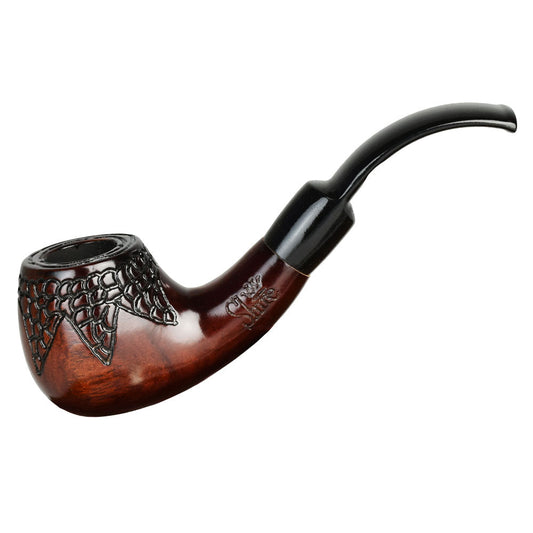
Pulsar Shire Pipes Engraved Bowl Bent Apple Cherry Wood Pipe - 5.5"
HIGHLIGHTS 5.5 inches long Engraved bent apple style pipe Cherry wood Removable charcoal filter Includes storage pouch and plastic stand Call 855-234-4386 for larger quantity discounts! Disclaimer: Legal herbal use only, NOT for tobacco.- $29.99
- $29.99
- Unit price
- per
-
Vendor:Shire Pipes
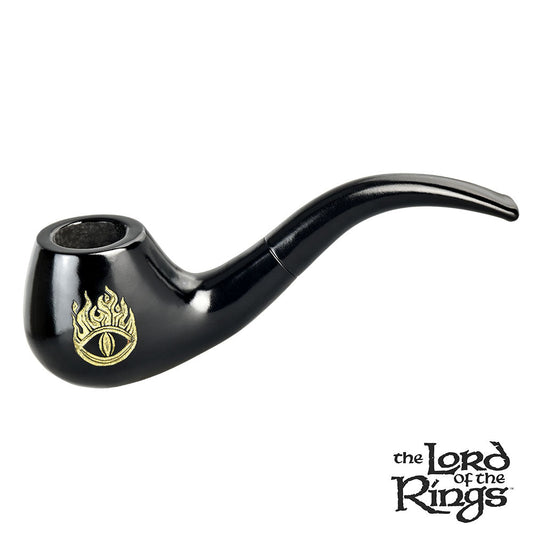
Pulsar Shire Pipes SAURON Smoking Pipe - 5.5"
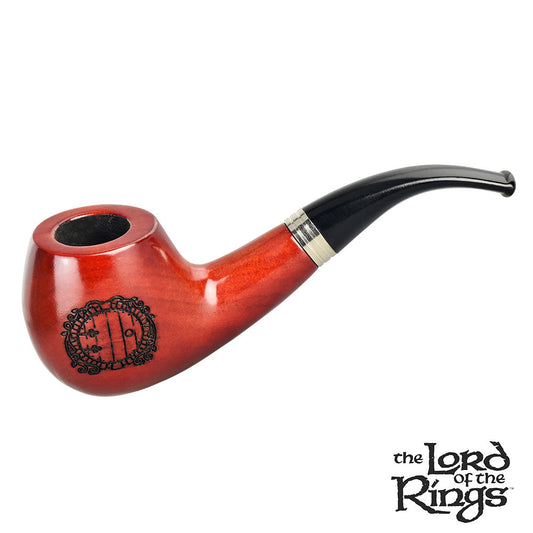
Highlights Officially licensed 5.5 in (14 cm) Cherry wood Bent apple pipe Includes poking/tamping tool, bowl screens, and pipe cleaners Special The Lord of the Rings collector's edition gift box packaging Mortise and tenon stem connection Every Shire Pipe comes with a removable charcoal...- $49.99
- $49.99
- Unit price
- per
-
Vendor:Smoke Drop
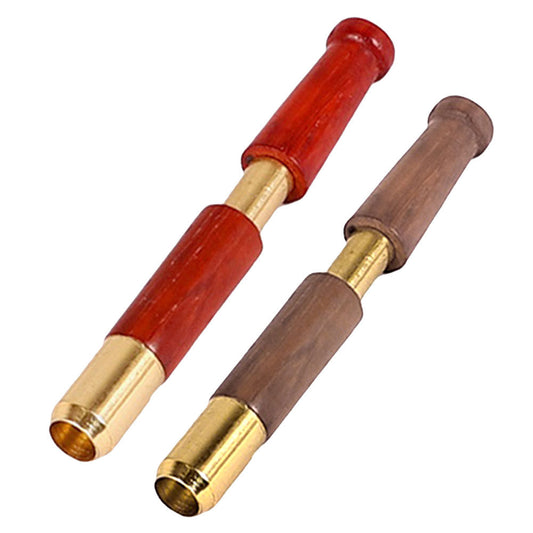
Single Hitter Ejector Taster Bat | Colors Vary
These wooden taster bats feature an ejector style spring-loaded bowl which makes clearing out ash remnants a breeze! Available in Large 3” (7.62cm) and Small 2” (5.08cm) sizes.Highlights Wooden & brass taster bat Chillum style pipe Various wood tone designs Spring-loaded bowl ejector Large...- From $9.99
- From $9.99
- Unit price
- per
-
Vendor:Smoke Drop
Stone Pipe w/ Wooden Stem
This pipe measures about 6 inches (15.24 cm) in length and features a wooden stem and marble stone bowl. Size and color may vary since pipes are hand made. HIGHLIGHTS 6 inches (15.24 cm) long Stone bowl Wooden stem Removable bowl for easy cleaning...- $13.99
- $13.99
- Unit price
- per
-
Vendor:Pulsar
Shire Pipes Churchwarden Tomahawk Tobacco Pipe
The Churchwarden Tomahawk Tobacco Pipe from Shire Pipes is a traditionally shaped pipe made with smooth polished Cherry wood. The pipe has a singular seamless design with no connections. Measures 13" long.Shire Pipes are crafted from quality wood and come in a variety of unique designs. Each beautifully made...- $39.99
- $39.99
- Unit price
- per
-
Vendor:Pulsar
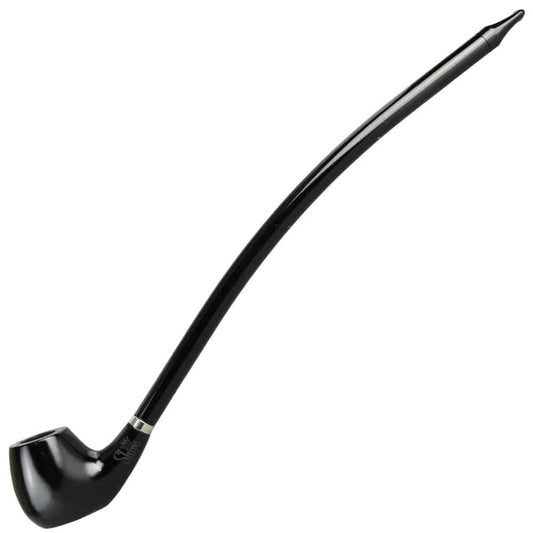
Pulsar Shire Pipes The Charming | Bent Prince Churchwarden Smoking Pipe - Shire Black
The Charming Smoking Pipe is a 15 inches (38.1cm) long churchwarden style pipe made of cherry wood. By Pulsar Shire Pipes.- $39.99
- $39.99
- Unit price
- per
- Shire Black
- Shire Rosewood
-
Vendor:Smoke Drop
Square Foldable Wood Hand Pipe
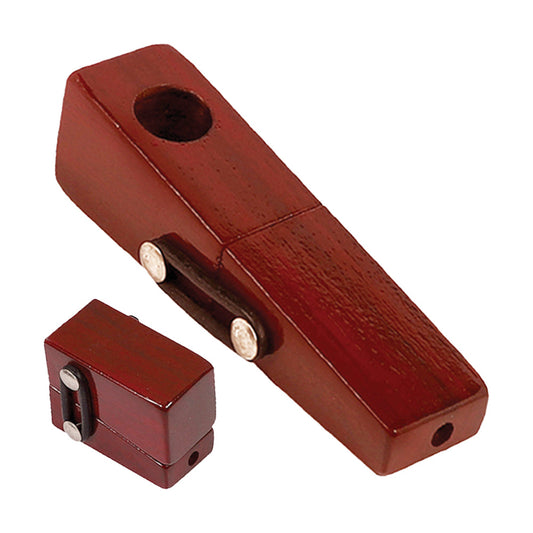
Square Foldable Wood Hand Pipe Introducing the Square Foldable Wood Hand Pipe, designed for ultimate portability and convenience. Crafted with a silicone band folding mechanism, this pipe can effortlessly collapse to half its length, making it perfect for on-the-go use. The pipe is made...- $9.90
- $9.90
- Unit price
- per
-
Vendor:Pulsar
Pulsar Shire Pipes Bent Octagon Brandy Cherry Wood - 5.5"
HIGHLIGHTS• 5.5" length• Made with Cherry wood• Traditional Bent Brandy shape• Mortise and Tenon connection• Replaceable carbon filter (SA897)• Cloth pouch and stand included- $29.99
- $29.99
- Unit price
- per
-
Vendor:Pulsar
Pulsar Shire Pipes Brandy Cherry Wood - 6"
HIGHLIGHTS• 6" length• Made with Cherry wood• Traditional Brandy shape• Mortise and Tenon connection• Replaceable carbon filter (SA897)• Cloth pouch and stand included- $29.99
- $29.99
- Unit price
- per
-
Vendor:Pulsar
Pulsar Shire Pipes Bent Brandy Cherry Wood Tobacco Pipe - 10.5"
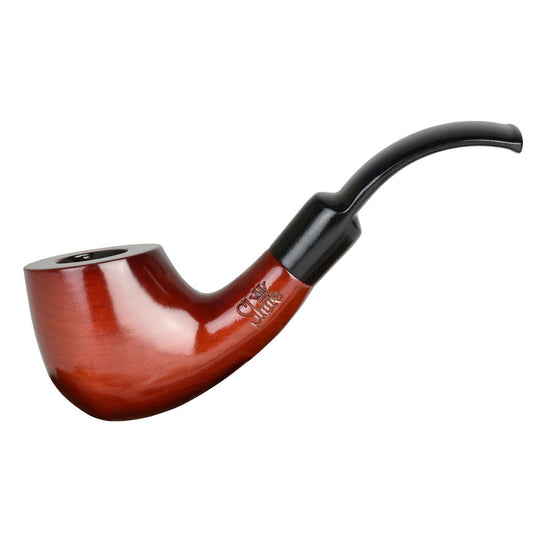
HIGHLIGHTS 10.5 inches long Bent brandy style pipe Cherry Wood Removable charcoal filter Disclaimer: Legal herbal use only, NOT for tobacco.- $35.99
- $35.99
- Unit price
- per
-
Vendor:Smoke Drop
Striped Light Wood Dugout
These wooden dugout pipes have a light wood stain finish and an exterior stripe design. Available in Large (3.75” or 9.525cm) and Small (3” or 6.62cm) sizes, these devices are perfect for toking on the go. Includes metal taster bat. Highlights Wooden dugouts Spring...- From $11.99
- From $11.99
- Unit price
- per
-
Vendor:Shire Pipes
Pulsar Shire Pipes HOBBITON Smoking Pipe - 5.25"
Pulsar Shire Pipes HOBBITON Smoking Pipe - 5.25" Embrace the enchanting world of Middle-earth with the official Pulsar Shire Pipes HOBBITON Smoking Pipe. Designed for both collectors and enthusiasts, this stunning piece seamlessly blends functionality and charm. Key Features: Officially Licensed: Join the fellowship...- $49.99
- $49.99
- Unit price
- per
-
Vendor:Pulsar
Pulsar Shire Pipes The Craic | Smooth Dublin Churchwarden Wood Pipe
The Craic Smoking Pipe is a 15 inches (38.1cm) long churchwarden style pipe made of cherry wood. By Pulsar Shire Pipes.- $34.99
- $34.99
- Unit price
- per
-
Vendor:Pulsar
Pulsar Shire Pipes Curved Pear Cherry Wood Pipe - 15" Long
HIGHLIGHTS 15 inches long Curved pear style pipe Rosewood Removable charcoal filter Disclaimer: Legal herbal use only, NOT for tobacco.- $29.99
$33.90- $29.99
- Unit price
- per
-
Vendor:Smoke Drop
Carved Wood Hand Pipe | 6 Inch
Carved Wood Hand Pipe | 6 Inch This 6-inch Carved Wood Hand Pipe is a beautifully crafted piece designed for legal herbal use. Please note that this pipe is NOT intended for tobacco use. Main Features: Hand-carved from high-quality wood Compact and portable 6-inch...- $6.99
- $6.99
- Unit price
- per
-
Vendor:Pulsar
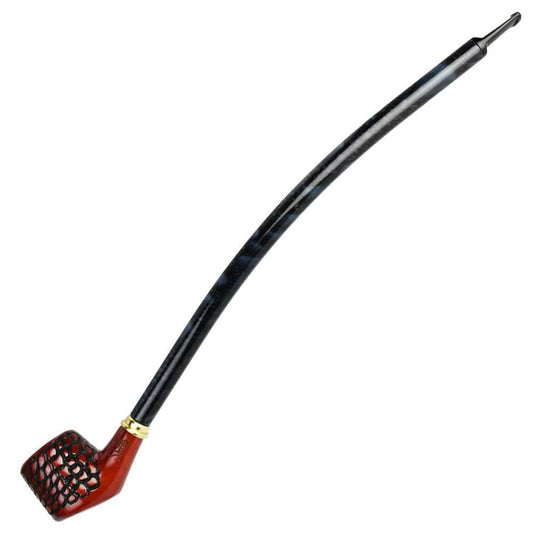
Shire Pipes Standing Carved Cherry Wood Tobacco Pipe - 5.5"
HIGHLIGHTS 5.5 inches long Full bent style pipe Cherry wood Carved designs Freestanding Includes storage pouch and plastic stand Disclaimer: Legal herbal use only, NOT for tobacco.- $29.99
- $29.99
- Unit price
- per
-
Vendor:Pulsar
Pulsar Shire Pipes The Archivist | Engraved Billiard Churchwarden Smoking Pipe
The Archivist Smoking Pipe is a 15 inches (38.1cm) long churchwarden style pipe made of cherry wood. By Pulsar Shire Pipes.- $39.99
- $39.99
- Unit price
- per
-
Vendor:Smoke Drop
Padauk Wood Spoon Pipe w/ Swivel Lid
These wooden spoon style pipes feature a swivel top bowl cover and measure 3.75 inches long. These polished pipes are available in a variety of cuts and multi-tone wood grain designs. Highlights 3.75 inches long Wooden hand pipe Spoon style pipe Swivel lid Various...- $14.99
- $14.99
- Unit price
- per




























Recently Viewed Products
- Choosing a selection results in a full page refresh.