Vape Chargers

A dead battery means a dead session — and nothing kills the vibe faster than reaching for your vape and realizing it's out of power with no charger in sight. Whether you use a 510 thread battery, a portable vaporizer, an electric nectar collector, or a box mod with removable...

A dead battery means a dead session — and nothing kills the vibe faster than reaching for your vape and realizing it's out of power with no charger in sight. Whether you use a 510 thread battery, a portable vaporizer, an electric nectar collector, or a box mod with removable cells, having the right charger — and a backup — is essential to keeping your devices powered and your sessions uninterrupted.

At DiscreetSmoker.com, we carry a full selection of vape chargers, 510 thread charging cables, USB-C and micro USB replacement cables, external 18650 battery chargers, and charging accessories compatible with the most popular vape batteries and vaporizers on the market. From simple screw-on 510 thread charging dongles to multi-bay smart chargers for removable 18650 cells, our collection ensures you always have the power you need.

Browse the full selection below and never get caught with a dead battery again.


What Is a Vape Charger?

A vape charger is any device or cable used to recharge the battery in a vaporizer, vape pen, 510 thread battery, dab pen, e-rig, electric nectar collector, or box mod. The type of charger you need depends entirely on your device — different vapes use different charging methods, from screw-on 510 thread dongles to standard USB-C cables to multi-bay external chargers for removable lithium-ion cells. Using the correct charger isn't just about convenience — it's a safety issue. The wrong charger can damage your battery, reduce its lifespan, cause overheating, or in extreme cases create a fire hazard.

Modern vape chargers incorporate safety features like overcharge protection (automatically stopping current flow when the battery reaches 100%), short-circuit protection, reverse polarity protection, and temperature monitoring. These features protect both the charger and your device, but they only work as intended when you use a charger that's compatible with your specific battery's voltage and amperage requirements. Always use the charger that came with your device, or a replacement that matches the original specifications exactly.


Types of Vape Chargers

510 Thread Chargers (Screw-On USB Dongles) — The most common charger type for slim, pen-style 510 thread vape batteries. A 510 thread charger is a small dongle with a 510 threaded connector on one end (the same threading your cartridge screws into) and a USB-A connector on the other end, sometimes connected by a short cable. To use it, you unscrew your vape cartridge, screw the charger onto the battery's 510 threading, and plug the USB end into a computer, USB wall adapter, or car charger. An LED indicator on the charger or battery shows charging status — typically red while charging and green when complete. These chargers are small enough to fit on a keychain and cost just a few dollars, making them easy to keep spares in your car, bag, desk, and nightstand. Charging time is usually 30 to 90 minutes depending on battery capacity (typically 250mAh to 650mAh for pen-style batteries).

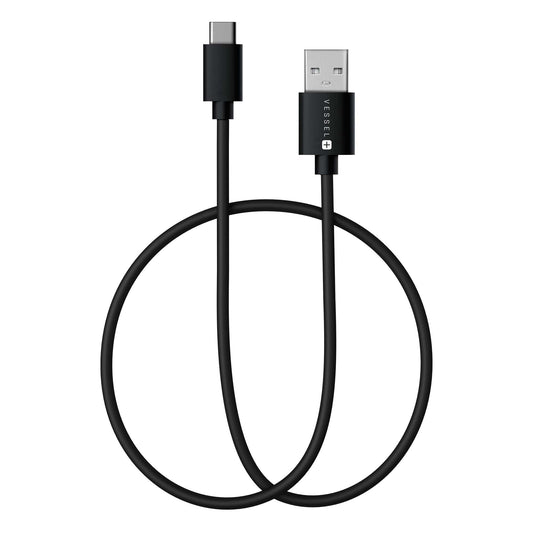
USB-C Cables — The current standard for most modern vapes, including box-style 510 batteries, portable vaporizers, electric nectar collectors, dab pens, and e-rigs. USB-C offers faster charging than micro USB, a reversible plug design (no more fumbling to figure out which way it goes), and broad compatibility with the same cables you already use for phones, tablets, and laptops. Many newer devices from brands like Yocan, Lookah, Pulsar, Myster, and Boundless Technology have transitioned to USB-C charging. If your device charges via USB-C, any quality USB-C cable will work — you don't need a brand-specific cable. However, always pair it with a standard 5V power source rather than a fast-charge adapter designed for phones.

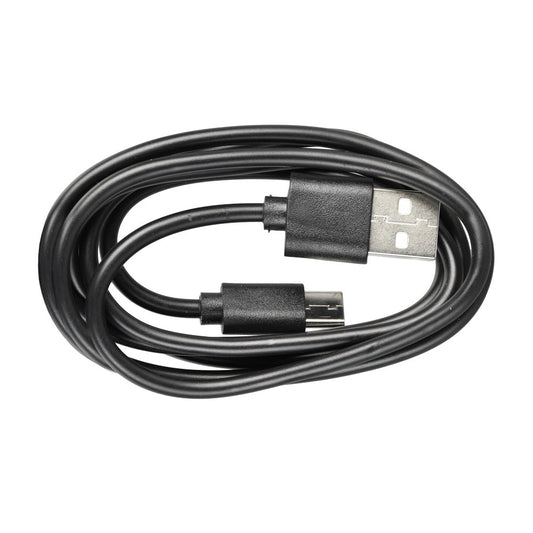
Micro USB Cables — The previous generation standard, still used on many vape pens, dab pens, and portable vaporizers that were designed before USB-C became dominant. Micro USB has a small rectangular connector with a specific orientation (only plugs in one way). Like USB-C, micro USB vape cables are interchangeable with standard phone charger cables of the same type — any quality micro USB cable will work. Micro USB charges more slowly than USB-C but is perfectly adequate for the battery capacities found in most vape devices (300mAh to 1,000mAh).

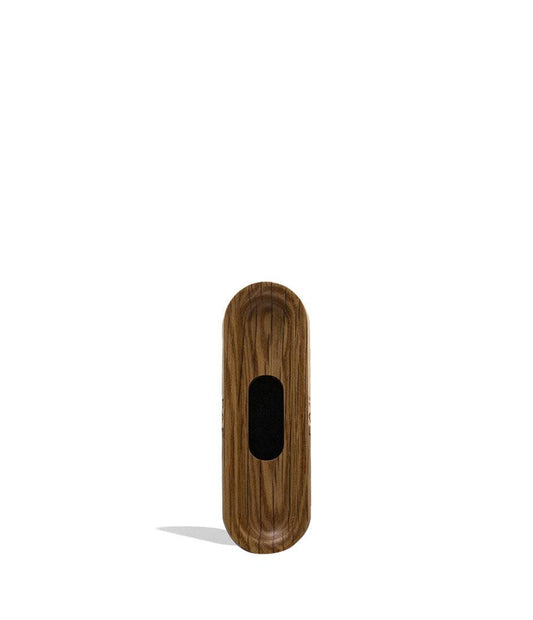
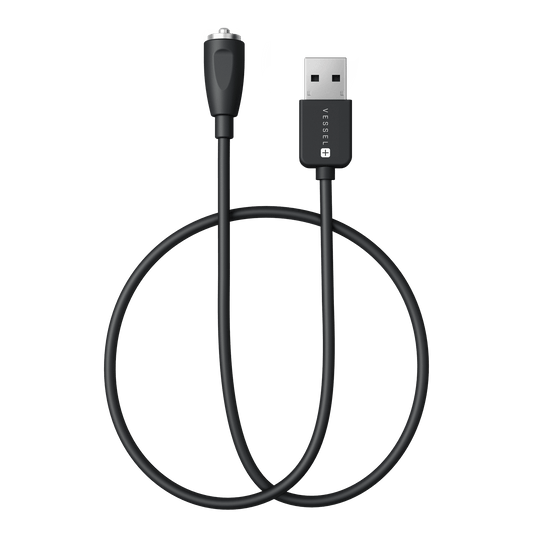
Magnetic Chargers — Some vape brands use proprietary magnetic charging connections instead of threaded or USB ports. These chargers snap onto the device via magnets, providing a secure connection without exposed ports. Magnetic chargers are common on premium devices where the manufacturer wants a cleaner design without visible charging ports. The downside is that magnetic chargers are brand-specific and model-specific — if you lose the charger, you need to purchase the exact replacement from the same manufacturer. They cannot be substituted with generic cables.

External Battery Chargers (18650 / 20700 / 21700) — Multi-bay smart chargers designed for removable lithium-ion cells used in box mods, high-powered portable vaporizers, and devices like the Huni Badger. These are standalone charging stations with slots (bays) where you insert your batteries directly. External chargers are significantly safer and more efficient than charging removable batteries through the device itself. They offer independent bay monitoring (each battery charges at its own rate), LCD or LED displays showing charge status, automatic battery type detection, and safety protections including overcharge, short-circuit, and reverse polarity protection. Available in 2-bay, 4-bay, and 6-bay configurations. Trusted brands include Nitecore (i-series, D-series, UM-series), Efest (LUC series, Lush series, Slim K series), XTAR, and Hohm Tech. These chargers support multiple battery sizes — 18350, 18490, 18500, 18650, 20700, 21700, 22650, and 26650 — as well as multiple chemistries including Li-ion, IMR, LiFePO4, Ni-MH, and NiCd.

Wireless Chargers — A newer option available on select premium vape devices. Some modern 510 batteries and vaporizers now support Qi wireless charging, allowing you to charge by simply placing the device on a wireless charging pad — the same pads used for smartphones. While not yet widespread in the vape industry, wireless charging is beginning to appear on higher-end devices as a convenience feature.

Wall Adapters (USB Power Blocks) — While not chargers themselves, USB wall adapters are essential for converting your USB charging cable into a wall outlet charger. Important safety note: always use a standard 5V USB wall adapter for vape devices. Do not use fast-charge adapters (designed for phones and tablets) that output higher voltages (9V, 12V, 20V) — the higher voltage can damage your vape battery, cause overheating, or trigger safety circuits. When in doubt, charge through a computer's USB port, which consistently outputs 5V.


How to Choose the Right Vape Charger

Identify your device's charging method. Check your vape's manual, look at the charging port, or check the manufacturer's website. Your device will use one of these methods: 510 screw-on threading, USB-C port, micro USB port, magnetic proprietary connector, or removable batteries that require an external charger. This determines exactly what type of charger you need.

Match the charger to your device's specifications. The charger's output voltage and amperage must be compatible with your battery. Most vape devices charge at 5V with current ranging from 0.5A to 2A. Using a charger with too high a voltage can damage the battery or cause overheating. Using a charger with too low a current will charge slowly but safely. When in doubt, use the charger that came with your device or purchase the manufacturer's recommended replacement.

Prioritize safety features. Look for chargers with overcharge protection (auto-shutoff at 100%), short-circuit protection, reverse polarity protection (for external chargers), and temperature monitoring. These features protect your battery from damage and extend its overall lifespan. Quality chargers from reputable brands include these protections as standard; cheap generic chargers may not.

Consider your lifestyle. If you vape frequently, keep chargers in multiple locations — home, car, work, travel bag. For 510 thread batteries, spare screw-on chargers cost just a few dollars and are small enough to keep on a keychain. For USB-C devices, you likely already have compatible cables throughout your home. For removable-battery devices, an external charger with multiple bays lets you charge spare batteries so you can swap immediately rather than waiting.

For external 18650 chargers, consider bay count. If you use a single-battery device, a 2-bay charger gives you room to charge a spare. If you use dual-battery mods, a 4-bay charger lets you charge both active cells plus two spares simultaneously. Serious vapers with multiple devices may benefit from a 6-bay charger. More bays typically means slower per-bay charging unless the charger has a higher total power output.


How to Charge a Vape Safely

Always use the correct charger. Use the charger that came with your device, or an exact-spec replacement. Don't mix chargers between devices unless they use the same standard connection (USB-C or micro USB) and voltage requirements.

Avoid fast-charge adapters. Phone and tablet fast chargers output higher voltages that most vape batteries aren't designed to handle. Always use a standard 5V USB power source. A computer USB port is a safe default if you're unsure about a wall adapter's output.

Don't overcharge. While modern chargers include auto-shutoff features, it's still best practice to disconnect your device once it reaches full charge. Leaving batteries on the charger overnight or for extended periods can degrade battery cells over time, reducing total capacity and lifespan. Check on your device periodically during charging.

Charge on a flat, stable, non-flammable surface. Don't charge on beds, couches, pillows, or directly on carpet. Keep the device and charger away from direct sunlight, heat sources, and water. A clean, hard surface like a desk or countertop is ideal.

Don't use your device while charging (pass-through caution). Some vapes support pass-through charging (using the device while plugged in), but this generates extra heat and puts additional stress on the battery. Unless the manufacturer explicitly supports pass-through use, avoid it.

For 510 thread chargers: Always plug the charger into the power source first, then screw on the battery. Screwing the battery on before plugging in can damage the connection plate inside the charger. If the charger flickers between colors or doesn't illuminate, clean the threading on both the battery and charger with a cotton swab and a small amount of isopropyl alcohol. Let everything dry completely before trying again.

For external battery chargers: Always remove batteries from the device before inserting them into the charger. Never mix different battery brands, capacities, or charge levels in a married set (batteries that are always used together in a dual-battery mod). Insert batteries with the correct polarity — the positive and negative terminals must match the charger's markings. Most smart chargers will detect reverse polarity and refuse to charge, but not all cheap chargers have this protection.

Inspect regularly. Check your charger and cables for fraying, bent pins, scorch marks, or loose connections. Replace any damaged chargers immediately. A damaged cable or charger is a fire hazard.


Battery Life Tips

Getting the most out of your vape battery between charges starts with good habits. Charge before the battery is completely dead — most lithium-ion batteries last longest when kept between 20% and 80% charge rather than cycling from 0% to 100% repeatedly. Store batteries at roughly 50% charge if you won't be using them for extended periods. Keep batteries and devices away from extreme temperatures — both extreme heat and extreme cold degrade lithium-ion cells. Turn off your device when not in use to prevent phantom drain. Clean the charging contacts on your device and charger regularly to maintain a solid electrical connection — dirty contacts can slow charging or prevent it entirely.


Popular Vape Charger Brands

Nitecore — The most trusted name in external battery chargers. Nitecore produces a comprehensive range of smart chargers including the i-series (i2, i4 — budget-friendly intelligent chargers), D-series (D2, D4 — LCD display models), UM-series (UM2, UM4 — USB-powered with LCD), SC-series (high-speed charging up to 3A), and Q-series (compact, fast). Nitecore chargers are known for exceptional build quality, automatic battery detection, comprehensive safety circuits, and multi-chemistry support. They're the industry standard for 18650, 20700, and 21700 battery charging in the vaping community.

Efest — Another leading name in external battery chargers. Efest's lineup includes the LUC series (premium chargers with LCD displays and mains power), Lush series (compact, affordable smart chargers), and Slim K series (ultra-portable USB-C powered chargers). Efest chargers are popular for their reliability, competitive pricing, and safety features including overcharge, short-circuit, and reverse polarity protection. The Efest Slim K1 and K4 are popular portable options, while the LUC V6 is a premium 6-bay choice for power users.

XTAR — A respected charger brand known for models like the VC2, VC4, and VC4SL. XTAR chargers offer excellent charging speeds, detailed LCD displays with real-time data, and broad battery compatibility. They're a favorite among enthusiasts who want detailed information about their batteries during charging.

Ooze — A popular brand for 510 thread screw-on chargers and USB vape cables. Ooze chargers feature a built-in smart chip that detects when the battery reaches 100% and automatically stops charging to prevent overcharging. Their 510 thread chargers are universally compatible with all 510 thread batteries and are among the most affordable and widely available options.


Who Needs a Vape Charger?

If you own any rechargeable vaping device, you need at least one charger — and ideally a backup. If your original charger is lost, damaged, or you simply want spares for different locations (home, car, office, travel bag), a replacement charger is one of the most affordable and essential accessories you can buy. If you use a 510 thread battery for cartridges, keep a spare 510 screw-on charger in your car and another in your bag — they cost just a few dollars and save you from the frustration of a dead battery with no way to charge. If you use devices with removable 18650 batteries, an external multi-bay charger is safer and more efficient than charging through the device, and it lets you charge spare batteries so you can swap in a fresh cell instantly. And if you're shopping for a gift (check our gift collection for more ideas), including a charger with any vape device ensures the recipient can start using their gift immediately.

Pair your charger with vaporizers, 510 batteries, smoking accessories, and other essentials from our full collection.


Frequently Asked Questions

What type of charger does a 510 vape pen use?

Most slim, pen-style 510 thread vape batteries use a screw-on 510 thread USB charger — a small dongle with 510 threading on one end and a USB-A connector on the other. You remove the cartridge, screw the charger onto the battery, and plug the USB end into a power source. Newer box-style 510 batteries from brands like Myster, Yocan, and Hamilton Devices often use built-in USB-C or micro USB charging ports instead, allowing you to charge with a standard cable without removing the cartridge.

Can I use any USB cable to charge my vape?

If your vape has a standard USB-C or micro USB charging port, any quality cable of the matching type will work. However, the power source matters — always use a standard 5V USB output (computer port, basic wall adapter). Do not use fast-charge adapters that output 9V, 12V, or higher voltages, as these can damage your vape battery. For 510 screw-on chargers and magnetic chargers, you must use the specific charger designed for your device — these are not interchangeable with generic cables.

How long does it take to charge a vape pen?

Charging time depends on battery capacity and charger output. Small 510 pen batteries (250mAh to 400mAh) typically charge in 30 to 60 minutes. Mid-size batteries (500mAh to 650mAh) take 1 to 2 hours. Larger devices with 1,000mAh batteries may take 2 to 3 hours. External 18650 battery chargers vary from 1 to 4 hours per cell depending on the charger's current output and the battery's capacity. Most devices have LED indicators that change color or turn off when charging is complete.

Why isn't my 510 charger working?

The most common issue is dirty threading. Oil from leaking cartridges can contaminate the contact point in the center of the 510 threading, preventing power flow. Clean the threading on both the battery and charger with a cotton swab dipped in isopropyl alcohol and let everything dry completely before reconnecting. If that doesn't work, try a different USB power source — some ports may not provide adequate current. If the charger rapidly flickers between colors, the charger itself may be defective and should be replaced.

Can I use a phone fast charger for my vape?

No. Phone fast chargers (Quick Charge, USB Power Delivery, etc.) output higher voltages (9V, 12V, or even 20V) that most vape batteries are not designed to handle. This can damage your battery, cause overheating, reduce battery lifespan, or trigger safety circuits that prevent charging entirely. Always use a standard 5V USB power source for vape devices. A computer USB port or a basic 5V/1A wall adapter is the safest option.

What is an 18650 battery charger?

An 18650 battery charger is an external, standalone charging station for removable 18650 lithium-ion batteries commonly used in box mods and some portable vaporizers. These chargers have slots (bays) where you insert batteries directly, independent of the vape device. They offer safer, more efficient charging than charging through the device itself, with features like automatic battery detection, overcharge protection, LCD displays, and multi-chemistry support. Popular brands include Nitecore, Efest, and XTAR. External chargers also support other battery sizes like 18350, 20700, 21700, and 26650.

Should I charge 18650 batteries in the mod or in an external charger?

Always use an external charger when possible. External chargers provide more consistent, balanced charging with better safety monitoring than charging through the mod's USB port. Charging through the mod can generate uneven charging between paired cells, produce excess heat, and stress the mod's internal charging circuit. External chargers also let you charge spare batteries separately so you can swap in a fresh cell instead of waiting for a depleted one to charge. Industry best practice is to use the mod's USB port only for firmware updates, not for charging.

How do I know when my vape is fully charged?

Most vape chargers use LED indicators to show charging status. Common patterns include: the light turns from red to green when fully charged, the light pulses during charging and becomes solid when complete, or the light turns off entirely when charging is done. Devices with LCD screens display battery percentage or a full battery icon. External 18650 chargers show per-bay status on their displays. Disconnect your device promptly after reaching full charge to preserve long-term battery health.

Can I leave my vape charging overnight?

While most modern chargers include overcharge protection that stops current flow at 100%, it's still not recommended to leave vape batteries charging unattended overnight. Overcharge protection circuits can fail, and extended time on the charger can generate heat and degrade battery cells over time. Best practice is to charge while you're awake and nearby, and disconnect as soon as the battery reaches full charge. This extends the overall lifespan of your battery.

Are 510 thread chargers universal?

Most 510 thread screw-on chargers are compatible with most 510 thread pen batteries, but not all are identical. Different chargers may use slightly different voltages and amperages, and some manufacturer-specific chargers include smart chips calibrated for their particular batteries. For best results, use the charger that came with your device or purchase a replacement directly from the same brand. Ooze brand 510 chargers are widely regarded as reliable universal options that include overcharge protection and work with virtually all 510 thread batteries.

What does mAh mean for vape batteries?

mAh stands for milliamp hours and measures a battery's total energy capacity — essentially, how much power it can store. A higher mAh number means the battery holds more charge and lasts longer between charges. A 300mAh battery might last 50 to 100 draws, while a 1,000mAh battery can deliver several hundred draws depending on voltage settings and draw duration. Higher mAh batteries take longer to charge but provide more usage time per charge cycle.

How much do vape chargers cost?

510 thread screw-on chargers are among the most affordable vape accessories at $3 to $8 each. USB-C and micro USB replacement cables cost $5 to $10. External 2-bay 18650 battery chargers range from $10 to $25 for basic models and $20 to $35 for smart chargers with LCD displays. Premium 4-bay and 6-bay chargers from brands like Nitecore and Efest range from $25 to $50. Magnetic and proprietary chargers vary by brand, typically $10 to $20.

What is a magnetic vape charger?

A magnetic vape charger uses magnets to connect the charger to the device rather than threading or a USB port. The charger snaps into place magnetically, creating a secure electrical connection. Magnetic chargers are brand-specific and model-specific — they cannot be substituted with generic cables or chargers from other brands. If you lose a magnetic charger, you'll need to purchase the exact replacement from the device manufacturer or an authorized retailer.

Why is my vape charging slowly?

Slow charging is usually caused by a low-power USB source (some computer USB ports output only 0.5A), dirty charging contacts, a damaged cable, or a degraded battery nearing the end of its lifespan. Try cleaning the charging port and cable connections with a cotton swab and compressed air. Switch to a different USB port or wall adapter. If the battery is old and charges slowly even with a good connection, the cells may be worn out and the battery should be replaced. Using a higher-quality cable can also improve charging speed if the existing cable has high resistance from wear.

Can I use a vape while it's charging?

Some devices support pass-through charging (using the vape while plugged in), but it's generally not recommended. Pass-through use generates extra heat, puts additional stress on the battery, and can reduce long-term battery life. Unless the manufacturer explicitly states that pass-through charging is supported and safe for your specific device, wait until charging is complete before using it. This is especially important for devices with small batteries that are more susceptible to heat-related degradation.

Recently Viewed Products